Holiday Joy for Pets: The ‘Yes, They Can Have That’ Edition
Every year around this time pet owners are warned about toxic foods and holiday hazards. And while it’s important to



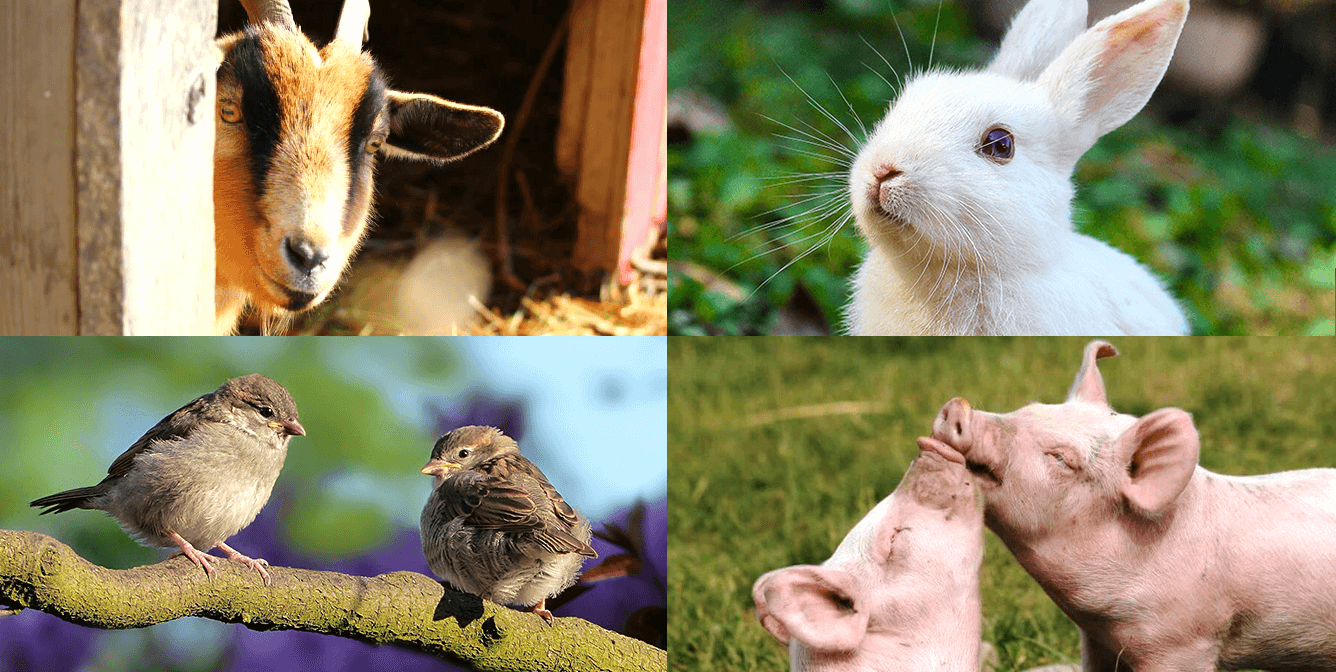
I recently presented at the Institute of Critical Animal Studies (ICAS) conference on “Recognizing Non-Human Animals as Sentient Beings”. I enjoyed this conference because it presented an opportunity to take a more gentle approach to introducing concepts that I commonly speak on– cognition, emotion, decision-making, autonomy, agency and intrinsic motivation in respect to dog behavior and animal welfare. The talk was well received, and the ensuing questions were thought provoking, so I thought I would share the experience with the readers of Pets After Dark.
What is Sentience?
The definition of sentience is quite basic; the ability to feel pain and pleasure.
The concept of “sentience” was first presented by philosophers in the 1630’s and re-emerged in popularity in the 1970’s through animal advocates such as Peter Singer, whom I met while presenting at the PHAIR conference at the University of Edinburgh.
The Five Freedoms
The Five Freedoms were established in 1965 in the UK by the Farm Animal Welfare Council to ensure ethical and humane treatment of farm animals and have since grown to include all animals, globally.
The Five Freedoms:
During the Q & A period following my ICAS presentation, I was asked, “What is normal behavior?” (#4) This question raised some interesting points. How do we define normal behavior in another species?
I thought of a recent road trip I had taken with a friend who is knowledgeable on cattle farming. As we drove by a field of cows, I noticed one cow had separated from the group. My first thought was that this cow was sad. I asked my friend if this is “normal cow behavior.”
His reply was insightful.
“Well, at this time of year, it is normal for male cows to separate from the group. They have mated, or not, and are either satisfied or frustrated.” (I am guessing, respectively). “The farmer who owns the cattle would not likely be concerned. Having said this, not all males would separate – it depends on the cow.”
His reply brings to light the importance of recognizing traits inherent in a species as well as individual characteristics. Traits are derived from genetic or inherited qualities, thus are often unchanging in their impact on emotions, reactions and behavior, while characteristics may be more flexible and change as the individual goes through different life stages and experiences. Characteristics are considered more individual in nature and can provide a means of distinguishing one being from another.
The Movement Beyond Sentience
While recognizing that animals feel pain and pleasure provides a strong foundation in treating animals as sentient beings, is it enough?
When we look at emotions and cognition as leading determinants of behaviors, instead of simply analyzing the behavior itself, we begin to see the individuality within the species.
Features in the consciousness, such as self-awareness, decision-making, intrinsic motivation, problem solving, memory and intentional thoughts and actions may not be a requirement for sentience; however, by observing and exploring these features, we can move beyond simply acknowledging the ability to feel pain and pleasure.
Cognition and Emotions
Studying cognition and emotion in animals is a good start to gaining a deeper understanding of the species and individuals within the larger group.
Although quantitative studies and peer reviewed papers provide scientific evidence of cognition and emotion, qualitative studies generated from observation and non-invasive practices performed in the natural environment, provide an enormous amount of knowledge and insight to support scientific findings.
Wildlife
Wild species are an integral part of our ecosystem. To ensure wildlife is treated humanely, we need to consider not only what we are providing them with, but also what we may be depriving them of. Maintaining their natural environments and leaving them undisturbed to thrive is not only humane, but compassionate and ethically sound.
Providing enrichment to animals in captivity, as well as replicating their natural habitat can encourage “normal behaviors.”
Urban Wildlife
Urban wildlife has mastered the art of navigating humans in a complex environment that presents many obstacles, which, in many cases, they use to their advantage! Instead of viewing them as a nuisance or invasive, we can find pleasure in living harmoniously, generating mutually beneficial relations, and enjoying their company.
Feral and Domestic Animals
Feral animals employ a high level of cognitive skills – that is why they are still alive! They have naturally strong survival skills, while adapting to their environment. In some cases, it is best to leave them in their environment, while providing essentials. Integrating feral or stray animals into domestic lifestyle requires us to acknowledge their cognitive skills and respect their emotions, intelligence and perceptive qualities. As with domestic dogs (family pets) over the age of six months, we need to adapt our approach from “teaching and training” to implementing practices that encourage processing, decision-making and intrinsic motivation, thus respecting their autonomy and providing agency.
In Conclusion
Although the concept of “sentience” dates to the 1600’s, there is growing movement to expand upon the core foundations by exploring innovative practices and embracing progressive measures. Ethical curiosity is all one needs to begin the journey into exploring the wide range of topics embedded in “sentientism”.
By Billie Groom

Every year around this time pet owners are warned about toxic foods and holiday hazards. And while it’s important to
Life on the Inside: How to Keep Indoor Cats Happy (and Out of Trouble) There’s something fascinating about how differently

Do dogs really experience the same “vacation exhaustion” that we do, even when they’re having fun? Turns out, science says yes—kind of.